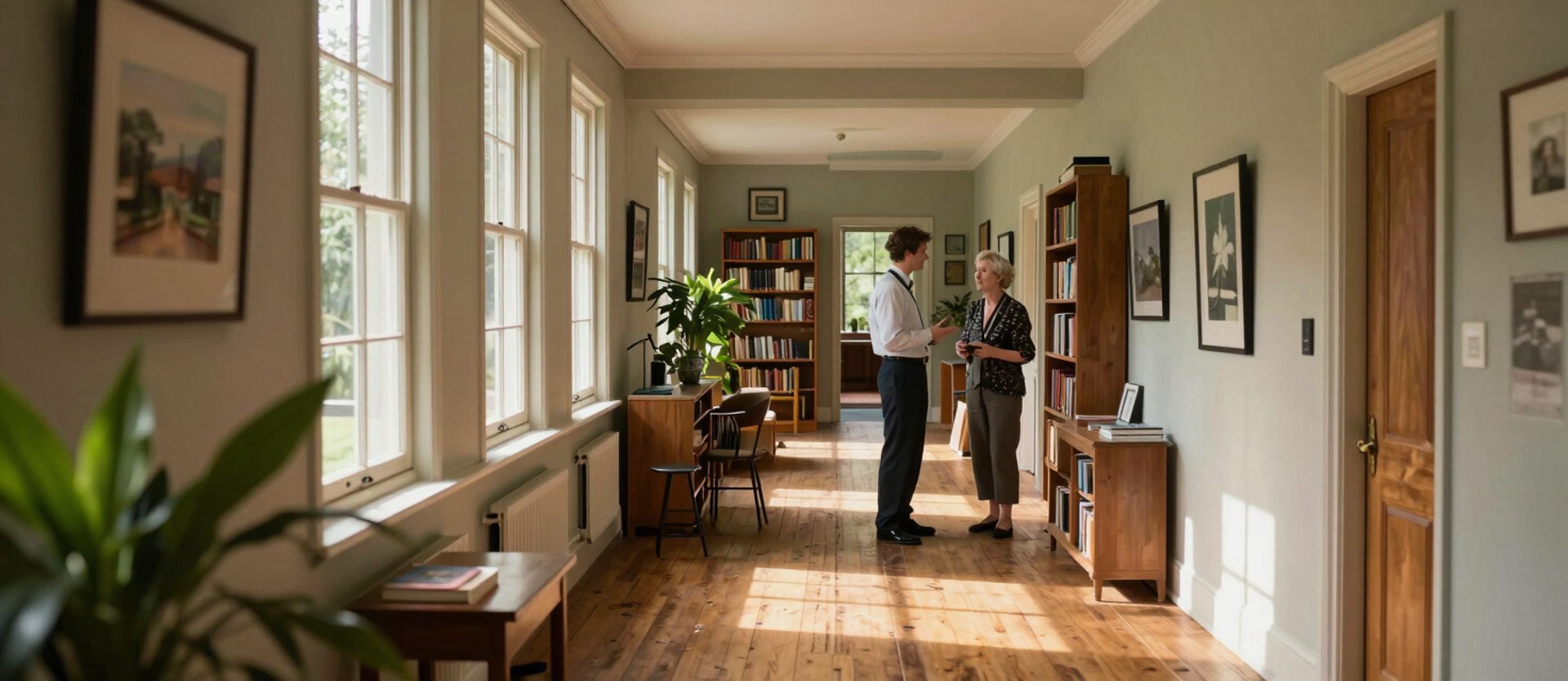
Care built around a person's actual life
Round-the-clock support, chronic condition management, and a staff who knows your parent's name, preferences, and Tuesday moods.
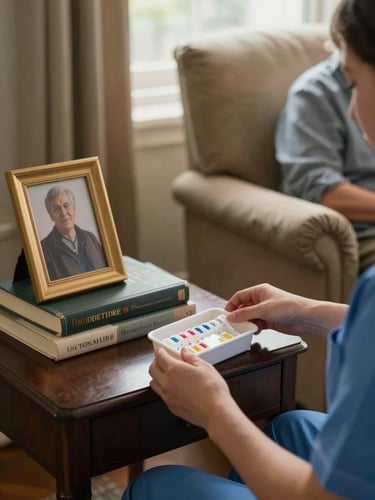
Conditions managed alongside a life
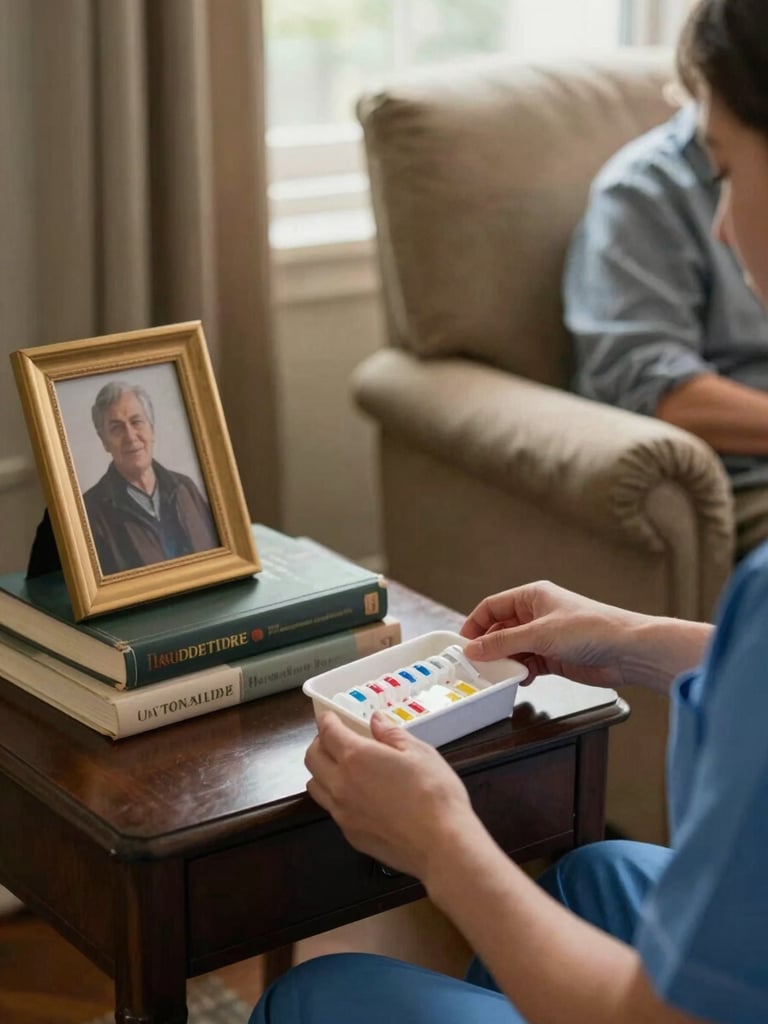
Chronic condition management at Hawthorn House doesn't pause everything else. Medications, monitoring, and therapy happen inside the rhythm of a resident's day — not as interruptions to it.
Someone on shift already knows which mornings are hard, which activities matter, and which changes in routine mean something. That continuity is the care.


Someone who already knows you
We keep shifts consistent so the person checking in at 3am is someone your parent has already argued about the crossword puzzle with. Continuity of staff is not a perk — it's how we actually work.
Residents set preferences. Staff carry them. The handoff notes read like a person, not a chart.
No question is too early or too small
What does 24/7 support actually mean?
How do you handle a new chronic condition?
A trained staff member is on site and awake every hour of every day. Not on-call from home — present. Residents can ask for help, company, or just a glass of water at any time.
We coordinate with the resident's existing physicians and adjust routines with the resident's input — not around them. Changes get explained, not handed down.
Can families be involved in care decisions?
What if my parent changes their mind about something?
Yes, and so can residents. We hold regular check-ins with whoever the resident wants in the room. Families are partners, not observers — but the resident's preferences lead.
We expect them to. Preferences change; routines evolve. Staff are trained to notice and respond — residents don't need to file a request to be heard.
Still have questions? We mean it — there are no premature calls, no wrong questions, and nobody here is put out by either.
Home - Life Here- How We Work - The People-For Families - Contact
(C) 2026 LOVING HANDS ASSISTED CARE -A small community where everyone knows your coffee order.
People first. Always.